The top solar marketing strategies for Long Island are local solar SEO, high-intent solar PPC, trust-first website design, and lead nurturing built around the local sales cycle. If your ads are getting clicks but not booked appointments, the problem is usually the message, the landing page, or the follow-up—not the market.
I hear this from solar companies all the time. The leads look busy on paper, but the calendar stays thin. That is frustrating, and it usually means the campaign is attracting curiosity instead of buyers.
Key Takeaways
- Long Island solar leads dry up when generic ads ignore local intent. Suffolk County and Nassau County homeowners respond to different proof points, timing, and financing questions.
- Local solar SEO usually outperforms broad keyword chasing because it brings in homeowners already searching for installers, rebates, and roof-specific answers.
- The best solar marketing stack combines SEO, Google Ads for solar companies, Facebook ads for solar, and a conversion-focused website.
- Trust signals matter more than price on Long Island. Reviews, local case studies, financing clarity, and permit confidence can raise close rates fast.
- If you want cleaner lead flow, use a solar sales funnel that includes content, remarketing, and follow-up automation.
Why Long Island solar leads dry up even when your ads are getting clicks
Clicks do not pay for installs. Qualified conversations do. On Long Island, solar lead generation often stalls because the ad promise, the landing page, and the homeowner’s real question do not match. People in Suffolk County may want payback details and roof fit. Nassau County buyers often want proof that a local company can handle the process cleanly and on time.
The hidden mismatch between Suffolk County search intent and generic solar messaging
Generic solar marketing tries to talk to everyone, which means it speaks clearly to no one. A homeowner searching in Suffolk County may be comparing tax credits, utility rates, and shade issues, while your ad might only say “save on energy bills.” That gap weakens solar lead gen strategies before the form even gets filled out.
I usually tell clients to align the keyword, the ad, and the landing page around one exact intent. For example, if the search is about residential solar marketing, the page should answer financing, roof type, and installation timeline in plain language. That is where How Solar Marketing Strategies Boost Long Island SEO in 2026 becomes useful: local message match is what turns traffic into booked calls.
Why Nassau County homeowners trust local proof before they trust price
Price matters, but proof closes the deal. Nassau County homeowners tend to ask, “Have you done this near me?” before they ask, “What does it cost?” They want local photos, real reviews, and a clear explanation of the process from proposal to permit to install.
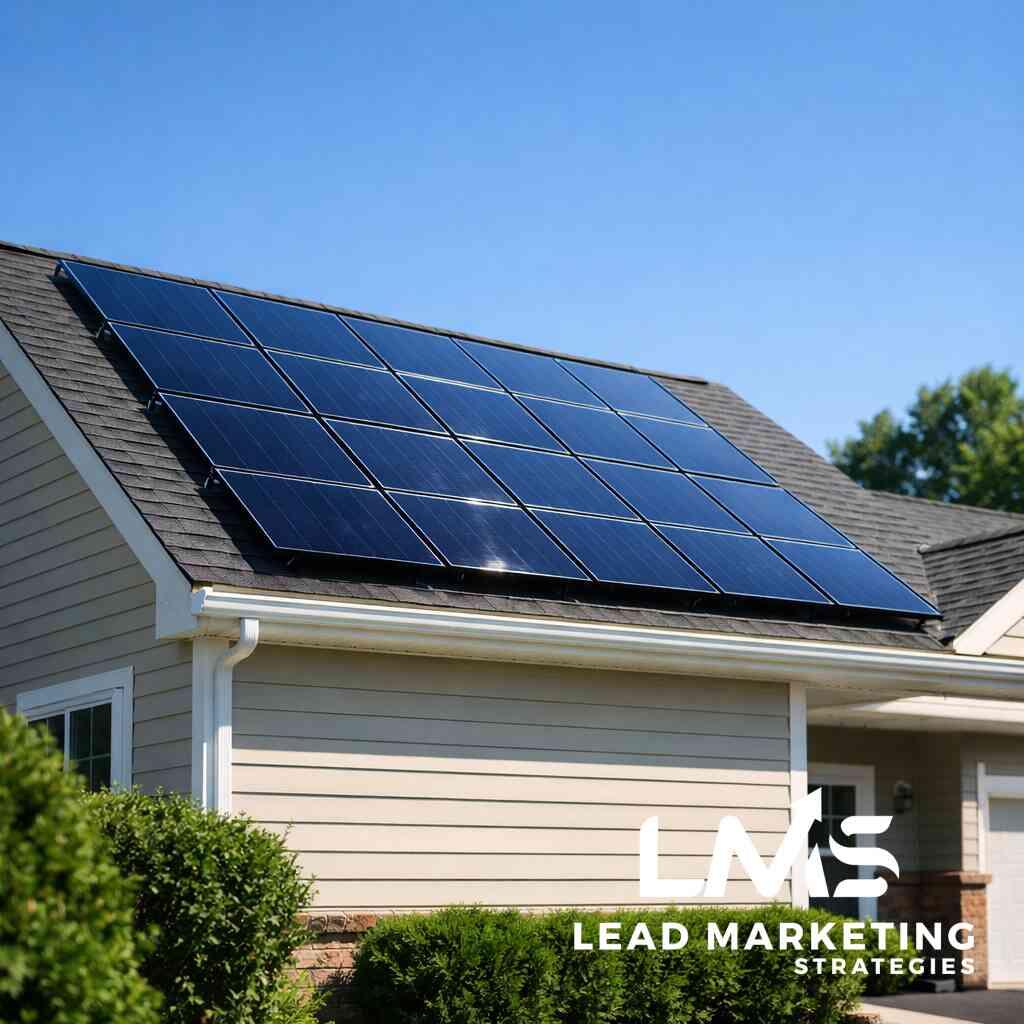
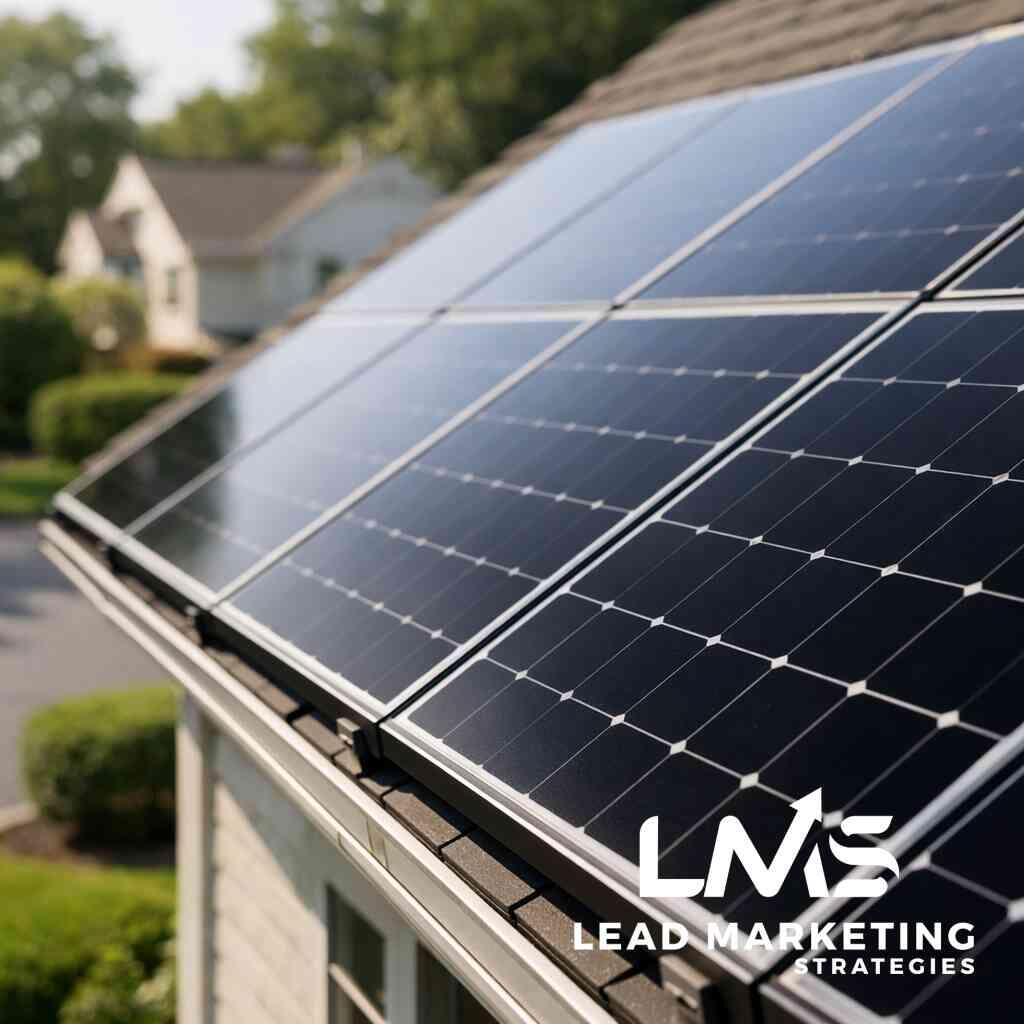
Here is the part most homeowners miss: solar buyer trust is built before the first consultation. If your solar company marketing does not show recent installs, neighborhood familiarity, and a human point of contact, you will pay more per lead and lose more of them. A simple case study from a Long Island rooftop with visible panel placement, attic conduit work, and a clean interconnection result can do more than a polished slogan.
How Commack and Long Island market signals change what counts as a qualified lead
In Commack, where we work every day, I see that a “good lead” is not just a homeowner with interest. It is someone who owns the property, has usable roof space, can move forward with financing, and is likely to answer the phone. That is the difference between solar lead generation and a real pipeline. 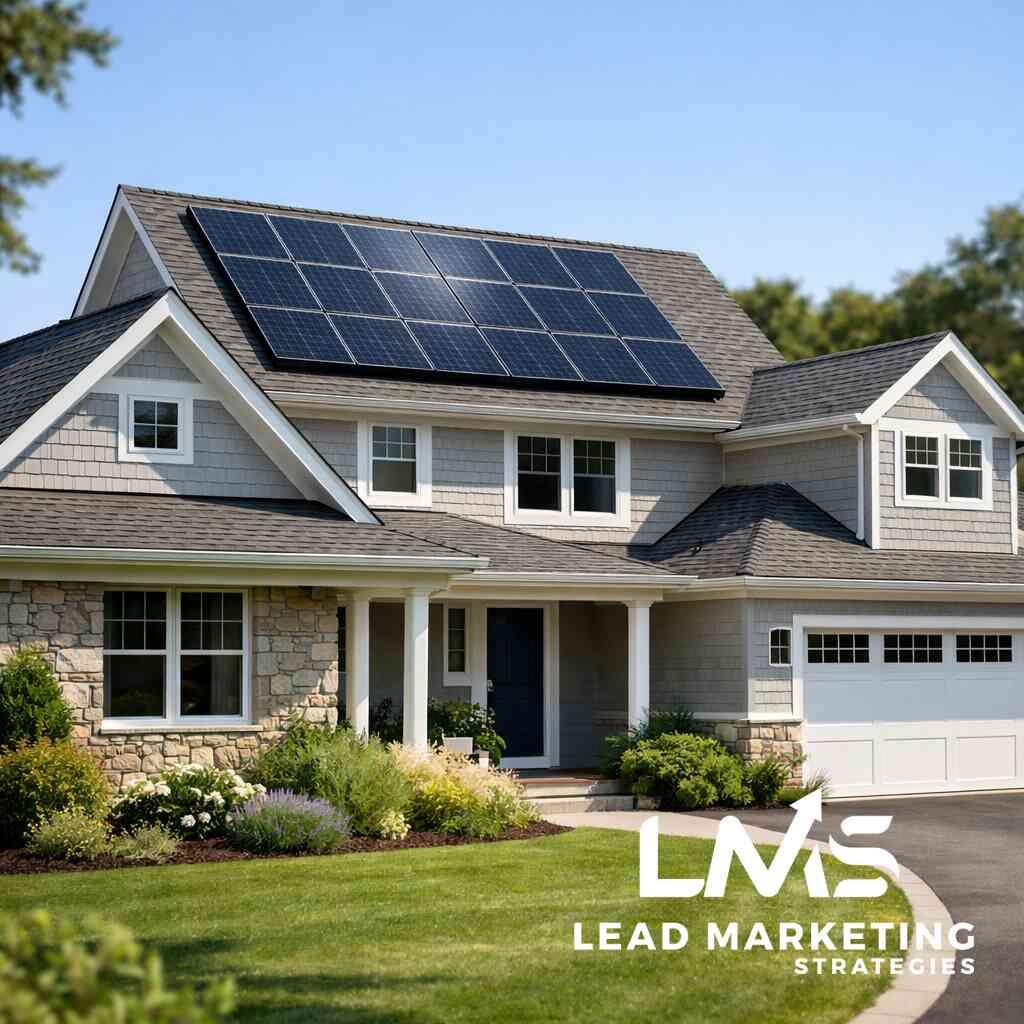
Lead typeWhat it looks likeLikely outcomeCold curiosityClicks, no timeline, no utility detailLow close rateWarm research leadAsks about rebates, roof age, and paybackMedium close rateQualified homeownerOwns home, has budget, wants a site visitHigh close rateThe best solar marketing agency teams do not just count forms. They sort by intent, follow-up speed, and close potential. If you want stronger solar lead generation, that is where the work starts. The solar marketing stack that actually turns Long Island interest into booked appointments
The stack that works on Long Island usually includes local SEO, Google Ads, Facebook retargeting, a clean website, and fast follow-up. Each piece has one job. SEO brings in active searchers. PPC captures high-intent demand. The website converts. Email and remarketing keep the lead warm until they are ready.
Why local solar SEO and solar search engine optimization beat broad keyword chasing
Local solar SEO wins because it matches real buying behavior. A homeowner does not search for “energy solutions” when they want an installer. They search for solar panel marketing terms tied to their town, their utility, or their financing question. That is why solar search engine optimization should focus on service pages, neighborhood pages, and FAQ content that answers the exact questions people ask.
In my experience, the fastest gains come from tightening solar keyword research around local intent phrases, then building pages that answer them better than competitors do. Google’s own guidance rewards helpful, original content and clear site structure, which is why I push clients toward solar SEO instead of broad blog dumping. It also helps to support claims with authoritative sources like the FTC advertising guidance, especially when you mention savings, rebates, or performance claims.
A solid local SEO plan should include:
- Service pages for residential solar marketing and commercial solar advertising
- Town and county pages for Suffolk County solar marketing and Nassau County solar leads
- Review generation and reputation management
- Schema markup and strong internal links
- FAQs that answer financing, timelines, and permits
That structure is simple, but it works. We also use a pillar-page model adapted for solar taxonomies, which helps map content to buyer intent without bloating the site.
One client came to us after running broad ads across Long Island with weak results. We rebuilt the local pages, rewrote the headlines for Long Island homeowner solar campaigns, and tightened the intake form. The lead count stayed steady, but the appointment rate improved because fewer unqualified people made it through the funnel.
Long Island is competitive, but the fundamentals travel well. The same local SEO logic we use here can support campaigns in other markets too, from Marketing Pennsylvania Solar Marketing to Marketing Montana Solar Marketing.
Frequently Asked Questions
Question: What Are the Top Solar Marketing Strategies for Long Island, and how does Solar Marketing Strategies approach them?
Answer: The top solar marketing strategies for Long Island usually combine local solar SEO, Google Ads for solar companies, Facebook ads for solar, and a conversion-focused solar sales funnel. At Solar Marketing Strategies, we build each campaign around the way Long Island homeowners actually search and buy, which means we prioritize high-intent solar keywords, neighborhood-specific messaging, and trust-building content. That includes Suffolk County solar marketing, Nassau County solar leads, and solar contractor SEO that speaks to local financing questions, roof concerns, and installation timelines. We also focus on solar website design services and solar landing page optimization so clicks turn into booked appointments instead of bouncing traffic. If you want stronger cost per lead solar performance and better solar marketing ROI, the strategy has to match the local market, not just the industry.
Question: Why does local solar SEO matter more than broad solar keyword research for Long Island solar lead generation?
Answer: Local solar SEO matters because Long Island homeowners are usually searching with a specific intent, not just browsing for general information. Someone in Commack, Suffolk County, or Nassau County is more likely to search for residential solar marketing, solar panel marketing, or solar installer advertising tied to their town, utility, or roof type. Broad keyword research can generate traffic, but local solar search engine optimization brings in people who are already closer to buying. That is why we build town pages, service pages, and FAQ content around geo-targeted solar ads and local solar SEO signals. We also support the content with solar content marketing and solar trust-building campaigns so prospects see proof, not just promises. This approach improves solar lead generation, reduces waste, and helps solar company marketing efforts attract homeowners who are more likely to book consultations.
Question: How do Google Ads for solar companies and Facebook ads for solar work together in a solar digital marketing plan?
Answer: Google Ads for solar companies and Facebook ads for solar work best when they play different roles in the same solar digital marketing system. Google Ads captures high-intent solar lead gen strategies by reaching people already searching for solar marketing services, solar financing marketing, or local solar SEO help. Facebook ads for solar are better for building awareness, retargeting visitors, and reinforcing solar brand development with educational content, case studies, and testimonials. When combined with solar email marketing and solar prospecting automation, the result is a smoother solar sales funnel that keeps leads moving. We often use solar video marketing and solar social media marketing to add credibility, then retarget those viewers with offers tied to solar marketing ROI and consultation booking. This is how a solar marketing agency turns attention into real pipeline instead of just impressions.
Question: What makes a solar website design services strategy effective for Long Island homeowner solar campaigns?
Answer: Effective solar website design services do more than make a site look good. They make it easy for homeowners to trust your company and take the next step. For Long Island homeowner solar campaigns, that means clear messaging, fast load times, strong solar landing page optimization, visible reviews, financing explanations, and simple calls to action. A strong website should support solar conversion rate optimization by answering the questions buyers ask most: How much will this cost, how long will it take, and why should I trust this installer? We also recommend pages built around solar keyword research, solar contractor SEO, and community-based solar advertising so the website supports both search visibility and conversion. When the site reflects local proof, solar energy brand strategy, and a clear process, it becomes a real sales tool instead of a digital brochure.
Question: How can Solar Marketing Strategies help with solar lead generation, solar referral programs, and lead nurturing for solar companies?
Answer: Solar lead generation works best when it does not stop at the form fill. Solar Marketing Strategies helps companies build a full follow-up system that includes lead nurturing for solar companies, solar email marketing, solar referral programs, and solar prospecting automation. We focus on qualifying leads early so your team spends time on homeowners who own their property, have usable roof space, and are ready to move forward. For companies in Long Island, that can mean using seasonal solar demand campaigns, neighborhood solar outreach, and solar market penetration strategy to keep leads warm and moving. We also help improve solar marketing ROI by making sure every lead source is tracked, measured, and refined based on cost per lead solar performance. When you combine the right solar marketing strategy with strong follow-up, you get more booked appointments, better close rates, and a more predictable pipeline.
Every article is written by one of our founders and independently reviewed by the other before it goes live.

Ken Key is the Chief Technology Officer and Co-Owner of Solar Marketing Strategies. He engineers the technical systems, SEO, and tools that help solar installers attract and convert homeowners. He and his wife Dominique run the company as a family business, bringing both creative and data-driven care to every campaign.

Dominique Key is Chief Marketing Officer and Co-Owner of Solar Marketing Strategies, a family-run agency helping solar installers connect with homeowners who are ready to go solar. She guides brand strategy, visual identity, and client experience with a warm, down-to-earth style. She co-runs the agency with her husband, Ken Key, blending personal attention with practical marketing know-how.