Residential and commercial solar marketing differ because the buyer, the sales cycle, and the proof required are not the same. A homeowner wants trust, simple pricing, and a fast response; a facility manager wants technical credibility, payback math, and a vendor who is easy to manage.
Key Takeaways
- Residential solar marketing works best when it leads with trust, local proof, clear savings, and fast follow-up.
- Commercial solar marketing wins with authority, project scope, financing logic, and a longer sales funnel.
- The same ad budget can underperform if you send homeowners and business buyers to the same landing page or offer.
- Strong solar lead generation starts by matching the message to the buyer, not just the keyword.
- The smartest solar companies separate SEO, PPC, and web design by audience so each click has a better chance of becoming a booked appointment.
Why the same solar ad budget wins one deal and loses another
The same budget can produce very different results because homeowners and commercial buyers do not shop the same way. Residential campaigns usually need emotional trust and simple numbers. Commercial campaigns need technical confidence, fewer claims, and a clear path through procurement, property management, or ownership approval.
What homeowners in Long Island want to hear before they fill out a form
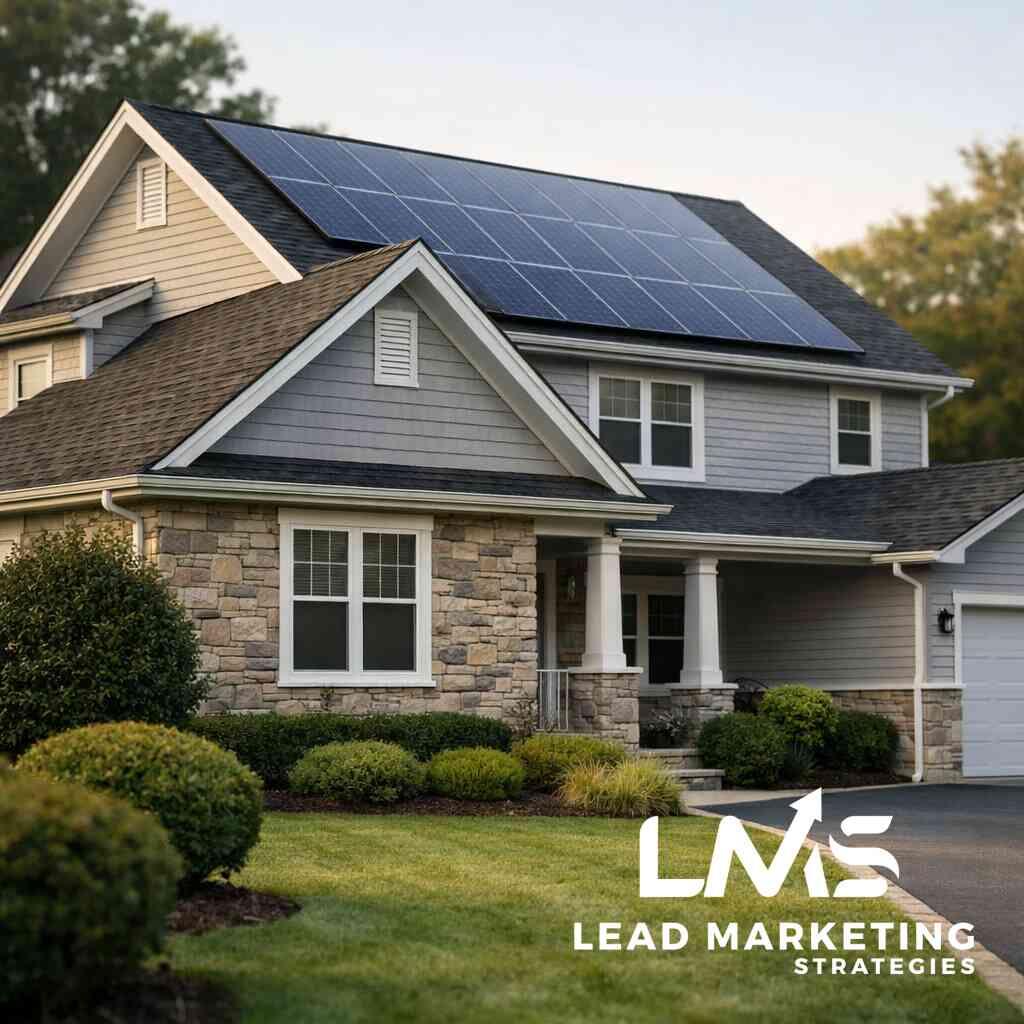
Homeowners in Long Island usually want three things before they submit a lead: lower bills, a clear timeline, and a company that feels local enough to trust. That is why residential solar marketing leans on social proof, neighborhood language, and easy offers. If you are running solar installer advertising in Nassau or Suffolk, the form, headline, and follow-up should all feel fast and human.
We hear this almost every week. A homeowner will compare three quotes, then call the company that answered first and explained the process in plain English. That is not luck. It is solar lead generation for homeowners built around speed, clarity, and confidence. For that audience, I like to use a landing page with one offer, one CTA, and one strong local proof point, then connect it to New Solar Marketing Strategies for Residential Contractors when the campaign needs a tighter residential message.
Here is the part most homeowners miss: they are not only buying panels. They are buying relief from uncertainty. If your solar web design for solar companies makes them hunt for financing details, permit help, or warranty terms, they will leave.
Why commercial buyers on a roof replacement timeline judge you like a vendor, not a neighbor
Commercial buyers judge you like a vendor because they have more at risk. They may be managing a flat roof, an operations budget, or a board approval process. They want proof that you understand load calculations, site constraints, interconnection, and the way solar fits into a capital plan. That is why commercial solar advertising must sound precise, not cute. I recently reviewed a campaign for a business park with aging HVAC equipment and a roof replacement on the calendar. The ad that won did not promise “big savings.” It offered a clear site-assessment process, a sample project timeline, and a link to Expert Solar Marketing Strategies for Commercial Projects. That changed the lead quality immediately because the buyer could see we understood the project risk.
A simple comparison makes the split obvious:
AudienceWhat wins attentionWhat loses attentionHomeownerSavings, speed, local trust, financingTechnical jargon, long forms, vague ROICommercial buyerProject scope, authority, documentation, paybackLifestyle copy, generic discounts, weak proofThe buyer behind the click changes everything from SEO to the sales pitch
The person behind the click shapes the entire funnel, from solar keyword research to the first sales call. Homeowners usually move faster and need less documentation. Commercial buyers often need internal approval, so the campaign must support a longer sales cycle with stronger proof, deeper content, and a more serious offer. 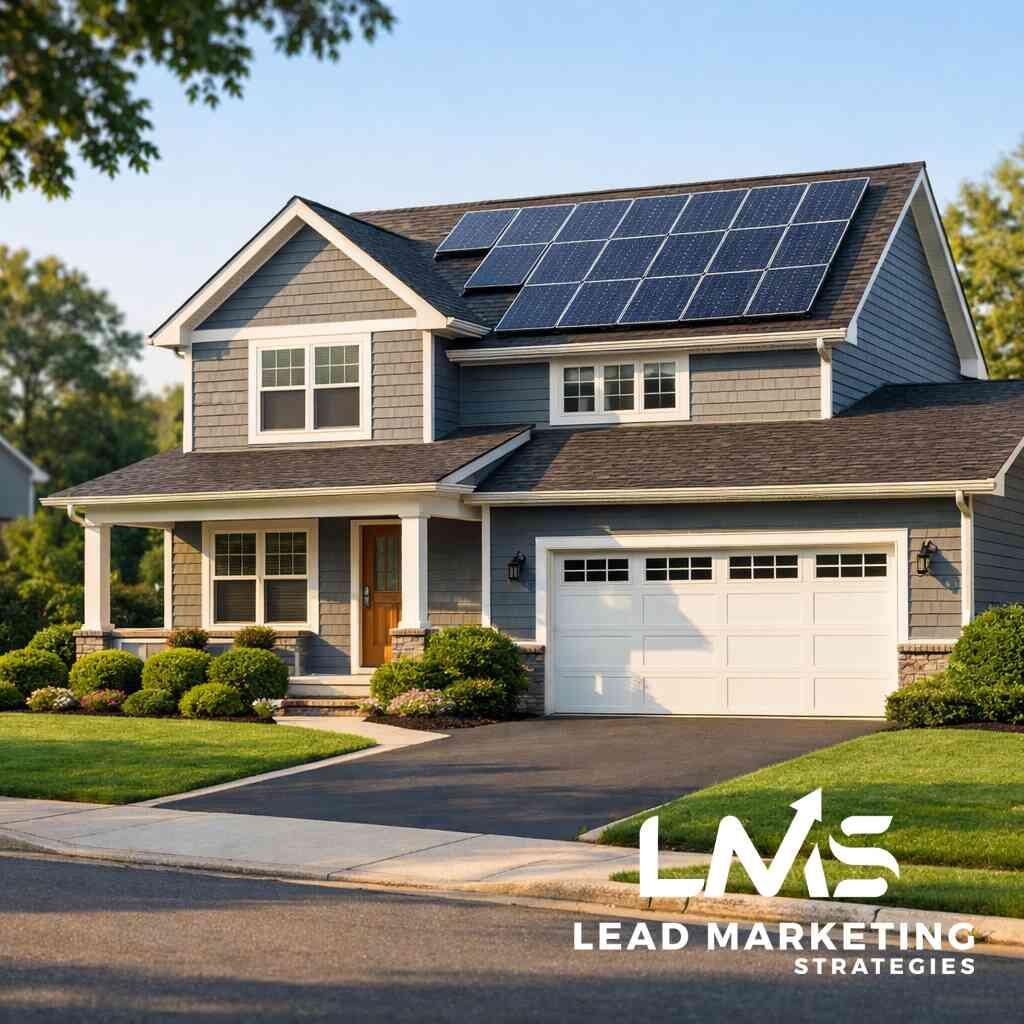
How solar lead generation for homeowners follows trust, price clarity, and fast follow-up
For homeowners, solar lead generation works when the message is simple and the response time is short. The best campaigns use local intent, easy financing language, and a clear promise about what happens next. If you wait an hour to call back, your solar sales funnel is already leaking.
We have seen this in Long Island solar marketing and in other competitive markets where electricity rates drive interest. A homeowner does not want a white paper. They want to know whether solar will work on their roof, what the bill might look like, and how soon they can get answers. That is where solar PPC for solar companies and Top 5 Google Ads for Solar Companies That Cut Cost Per Lead matter, because the ad must set the tone before the form ever loads.
If you want better residential results, focus on these basics:
- Show a local service area and real credentials.
- Use one main offer, not four.
- Put savings, financing, and next steps near the top.
- Call back within minutes, not hours.
- Keep the first conversation short and helpful.
That structure also supports solar marketing ROI because it lowers wasted clicks and brings down cost per lead solar over time. For residential campaigns, that is usually where the real win starts.
Why B2B solar lead generation depends on authority, proof, and a longer sales funnel
B2B leads need more proof because the decision is bigger and slower. A commercial buyer may need utility data, permitting guidance, references, and a clean explanation of ownership structure. That is why B2B solar lead generation depends on authority, not just reach. You are not selling to a curious homeowner. You are selling to someone who may have to defend the project in a meeting.
The FTC’s advertising guidance matters here because commercial prospects are quick to spot exaggerated claims. The same is true for renewable energy marketing in regulated spaces. If your copy sounds inflated, you lose trust before the first call. That is why our team often pairs solar SEO for commercial solar with case-study style pages, calculator content, and project-specific service pages that match the buyer’s role.
A stronger commercial funnel usually includes:
- A search page built around project scope.
- A case study or proof page.
- A consultation offer with clear qualification.
- A follow-up sequence with specs, timelines, and financing context.
- A sales call that speaks to ownership, not just panels.
That is also where Content Marketing for Solar Companies becomes useful. Commercial prospects often need three to five touchpoints before they are ready to talk seriously. If you try to rush them, they stall. If you educate them well, they move.
For companies that serve both markets, I usually tell clients to separate the pitch by buyer, but keep the brand consistent. That is the cleanest way to protect solar brand development for solar companies while still making each click feel personal.
If you want help fixing that gap between traffic and booked jobs, our team at Solar Marketing Strategies builds solar-specific SEO, ads, and web design around the actual sales cycle. For many firms, solar search engine optimization and Lead Generation for Solar Companies are the fastest way to turn mixed traffic into qualified appointments, especially when the same company serves both rooftops and commercial sites.
Frequently Asked Questions
Question: What is the difference between residential and commercial solar marketing, and how should a solar marketing agency adjust the message for each audience?
Answer: The biggest difference is the buyer. Residential solar marketing needs to build trust fast, keep the offer simple, and show clear savings, while commercial solar marketing has to speak to a more technical, approval-driven audience that wants project scope, payback logic, and vendor credibility. At Solar Marketing Strategies, we build solar company marketing strategy around that split so your message matches what the lead actually needs.
For homeowners, the best solar digital marketing for installers usually includes local proof, fast response times, and an easy landing page with one clear call to action. For businesses, solar marketing services should lean into authority, case studies, project timelines, and financing context. That is how you improve solar lead generation without wasting ad spend on the wrong audience.
If you send both groups to the same page, your cost per lead solar can rise and your solar sales funnel can slow down. Our team helps with solar web design for solar companies, solar SEO, solar PPC, and solar content marketing so each audience gets the right experience from the first click to the booked appointment.
Question: How can The Difference Between Residential and Commercial Solar Marketing help my company improve solar lead generation for homeowners and B2B solar lead generation at the same time?
Answer: The blog is useful because it shows why the sales cycle and buyer intent are different for each market, which is the foundation of better solar lead generation. Homeowners typically want quick answers, simple financing language, and proof that your company is local and trustworthy. B2B solar lead generation is different because commercial buyers often need documentation, technical confidence, and a longer path through procurement or ownership approval.
Solar Marketing Strategies uses that insight to build smarter solar lead gen strategies for both audiences. For residential campaigns, we focus on local solar SEO, Google Ads for solar companies, and Facebook ads for solar that highlight savings and speed. For commercial solar advertising, we create stronger project-based pages, solar marketing case studies, and technical messaging that supports a longer sales cycle.
That approach helps solar marketing ROI because you are not just getting more leads; you are getting the right leads. Better targeting also lowers cost per lead solar and improves conversion rates across your solar sales funnel.
Question: What solar SEO and solar PPC strategies work best for residential solar marketing versus commercial solar advertising?
Answer: Residential solar SEO and solar PPC work best when they focus on local intent, trust, and simplicity. Homeowners search for fast, understandable answers, so pages need to target solar keyword research that includes nearby locations, financing terms, and service-based phrases. Strong local solar SEO and solar contractor SEO help your company show up when people are actively looking for a rooftop solution.
For commercial solar advertising, the strategy shifts. The search terms may be fewer, but the intent is stronger and the decision-makers want more detail. That is why solar SEO for commercial solar should include service pages, industry-specific landing pages, and content that addresses payback, compliance, and project scope. Solar PPC for solar companies can be highly effective here too, especially when paired with Google Ads for solar companies that direct users to a commercial-specific page instead of a generic homepage.
At Solar Marketing Strategies, we combine solar search engine optimization with paid search and conversion-focused solar website design services so your campaign matches the audience from the first impression. That is one of the most reliable ways to improve solar marketing ROI in both residential and commercial markets.
Question: How does solar web design for solar companies affect residential solar marketing and commercial solar marketing differently?
Answer: Solar web design for solar companies plays a major role because the website is often the first real sales conversation. For residential solar marketing, the design should be clean, fast, and easy to understand. Homeowners want to know what happens next, how much they can save, and whether your company is trustworthy. That means your site should lead with a simple offer, a strong local message, and clear next steps.
Commercial solar marketing needs a different structure. Business buyers often want deeper information, including service area, project examples, technical credibility, and proof that your team can manage a larger, more complex installation. The best solar panel marketing for this audience uses case studies, detailed service pages, and clear contact paths for decision-makers.
Solar Marketing Strategies builds solar website design services around both audiences so the user journey matches the sale. We also support solar content marketing for solar businesses and solar brand development for solar companies, which helps your website feel consistent, professional, and ready to convert. That is especially valuable for nationwide solar marketing and competitive markets like Long Island solar marketing.
Question: What makes Solar Marketing Strategies a strong choice for solar company marketing strategy, solar social media, and solar marketing tips that actually improve results?
Answer: Solar Marketing Strategies is built for solar companies, so our approach is practical, not generic. We understand how residential solar marketing and commercial solar marketing differ, and we use that knowledge to shape solar marketing services around the real buyer journey. That means better campaign structure, better messaging, and better lead quality.
We support solar digital marketing for installers with a mix of solar SEO, solar PPC, solar installer advertising, solar content marketing, solar social media, and solar sales funnel optimization. If your company needs residential solar advertising, commercial solar advertising, or even utility-scale solar marketing support, we build campaigns that fit the project type and the decision cycle.
We also help brands strengthen solar energy brand strategy and solar brand development for solar companies so the market recognizes you as a credible provider, not just another ad in the feed. If you are looking for the best solar marketing company to help with how to market a solar business, we focus on the metrics that matter most: qualified leads, booked appointments, and measurable solar marketing ROI.
At the end of the day, strong renewable energy marketing and clean energy advertising come down to matching the message to the buyer. That is exactly what our team does for companies that want better performance from solar lead generation, solar email marketing, solar referral programs, and solar influencer campaigns.
Every article is written by one of our founders and independently reviewed by the other before it goes live.

Ken Key is the Chief Technology Officer and Co-Owner of Solar Marketing Strategies. He engineers the technical systems, SEO, and tools that help solar installers attract and convert homeowners. He and his wife Dominique run the company as a family business, bringing both creative and data-driven care to every campaign.

Dominique Key is Chief Marketing Officer and Co-Owner of Solar Marketing Strategies, a family-run agency helping solar installers connect with homeowners who are ready to go solar. She guides brand strategy, visual identity, and client experience with a warm, down-to-earth style. She co-runs the agency with her husband, Ken Key, blending personal attention with practical marketing know-how.