

Local solar SEO is the process of helping a solar company rank in specific cities, service areas, and zip codes so nearby homeowners and businesses can find the right branch quickly. For multi location installers, it keeps leads local, matches search intent to the right market, and prevents you from paying for traffic that never turns into appointments.
If you are reading this because the leads feel “local” but the close rate feels flat, that frustration is real. We hear it from solar teams all the time: the ad spend is there, the sales team is ready, and the homepage still sends everyone to the same generic pitch.
Key Takeaways
- Local solar SEO helps multi location solar installers rank in the right city, map pack, and service area, not just on one broad homepage.
- The strongest local signals come from Google Business Profile optimization, location pages, local citations, review management, and local schema markup.
- City-specific keyword research prevents different branches from competing against each other and helps each market build its own organic lead engine.
- Weak location pages waste demand. They cause high bounce rates, lower conversions, and missed calls even when search traffic is strong.
- The best results usually come from combining solar SEO, solar PPC, and solar lead generation instead of relying on one channel alone.
Why your solar leads look local but die the moment they hit one generic homepage
Local solar SEO for multi location installers is about matching each searcher to the nearest branch, the right city page, and the right service offer. If your Phoenix, Tampa, and Long Island prospects all land on one generic homepage, Google gets mixed signals and homeowners get a bland answer. That hurts rankings, trust, and conversions at the same time.
A generic homepage forces every market into one message. That is a problem because a homeowner in Commack does not search or buy the same way as a buyer in Phoenix or Tampa. Roof age, utility rates, financing interest, and weather exposure all shape intent. Long Island’s high electric bills and Florida’s storm-driven urgency do not need the same pitch, even if your product is the same.
What changes when a multi location installer tries to rank in Phoenix, Tampa, and Long Island with one site
The biggest change is competition. A single-site brand has to prove local relevance in multiple markets without confusing Google. That means each branch needs its own solar company location pages, localized content, and a clean site structure that supports solar search engine optimization instead of splitting authority.
Here is the part most homeowners miss: the same page can rank in several places, but it rarely converts well in all of them. One project we saw had decent traffic from three metro areas, yet calls only came from the market that mentioned local incentives, roofing types, and utility costs. Once we built separate pages for each region, calls improved because the message finally fit the buyer.
A simple way to think about it:
Page TypeBest UseMain RiskGeneric homepageBrand trust and overviewWeak local relevanceCity pageOne branch or service areaThin, duplicate contentService area pageNearby towns and zip codesCannibalization if poorly structuredLocal landing pagePaid traffic and conversionUnder-optimized if too broadFor a multi market solar marketing plan, that structure matters. It is the difference between solar SERP visibility and invisible listings that never move the needle.
Why Google Business Profile signals, map pack rankings, and city intent decide who gets the call
Google Business Profile, map pack rankings, and local intent keyword targeting often decide who gets the lead before the website ever loads. If your profile is thin, your address data is messy, or your reviews look stale, you lose calls even when your site is decent. Google uses proximity, relevance, and prominence to sort local results, and solar is no exception.
That is why solar Google Business Profile optimization should not be treated like a box to check. Categories, service areas, photos, Q&A, and review cadence all shape trust. For solar contractor SEO, your branch in Commack may need different proof points than your office in Texas or Arizona, especially if one market depends more on battery backup or storm resilience.
Google’s own business guidance makes clear that accurate business information and strong profile management help users find and trust local companies; see the FTC advertising guidance for the rules that also govern solar claims. When your profile and website agree, your local visibility usually improves faster.
The hidden cost of weak location pages when your sales team is ready but the search traffic is not
Weak location pages do not just reduce rankings. They waste the work your sales team is already doing. If your reps can handle 40 qualified calls a week but search only sends 12, the bottleneck is not closing skill. It is discovery. 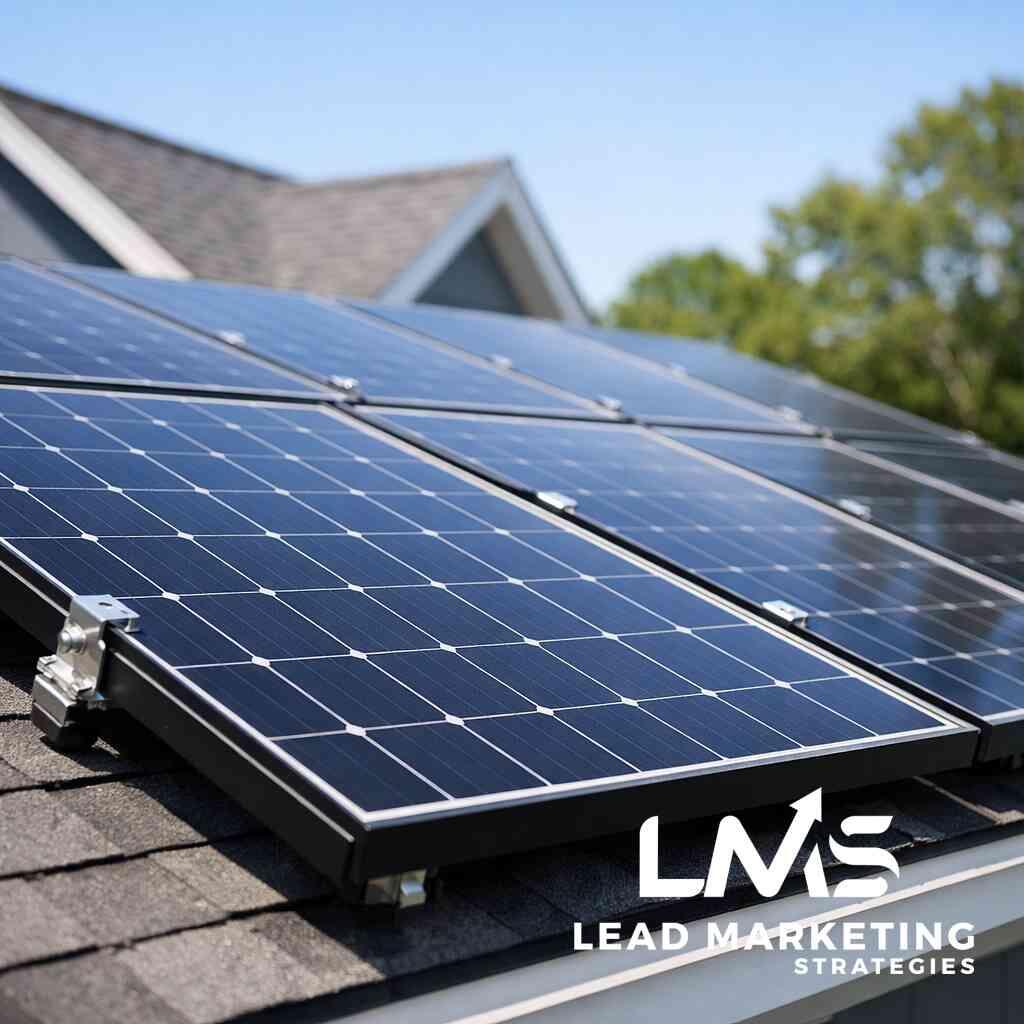
This is where solar website design for multiple locations and local landing pages for solar companies earn their keep. A good location page should answer three things fast: where you work, what you install, and why that market should trust you. It should also include local proof, branch-specific service details, and a clear call to action.
A strong local page often includes:
- The city or service area in the title, H1, and body copy
- Unique copy for local weather, utility rates, and permit realities
- NAP details that match your Google Business Profile
- Embedded reviews from that market
- Local schema markup for solar contractors
- A single conversion path to call, book, or request a quote
One solar installer we worked with had a solid sales process but one page for six markets. The site looked polished, yet the leads were scattered. After we separated pages by service territory and aligned them with solar lead generation and solar sales funnel optimization, the sales team finally got cleaner leads.
The local SEO stack that gets multi market solar brands seen in the right zip codes
The local SEO stack for multi location solar installers combines service area SEO, keyword research, citations, reviews, schema, and location pages into one system. Each piece supports the others. If one is weak, the whole structure softens. If they work together, you build local organic lead generation that can scale beyond a single office.
This is where solar marketing for multi location businesses gets practical. You are not trying to rank one brand everywhere with one page. You are building a network of local signals that tells search engines, “this branch serves this market, and here is the proof.” ### How local solar SEO, service area SEO, and city specific keyword research work together without cannibalizing each other
The cleanest setup starts with city specific solar keyword research. That means you cluster terms by intent, then map them to the right page. “Solar panels in Tampa” should not compete with “Tampa solar financing” or “commercial solar in Tampa.” Those are related, but they deserve different pages and different calls to action.
A practical structure looks like this:
- Homepage for brand trust and broad terms
- Location pages for each branch or service region
- Service pages for residential, commercial, and utility-scale work
- Local content marketing pieces for incentives, permits, and utility questions
- Internal links that guide users to the right next step
This approach also supports solar keyword clustering. You avoid cannibalization by assigning one primary intent to each page. That is the same model we use in our solar SEO services, adapted for solar taxonomies and service territories.
Why NAP consistency, local citations, review management, and local schema markup shape trust at scale
NAP consistency for solar businesses, local citations, review management, and schema markup are trust signals that help Google confirm you are real, local, and active. NAP means name, address, and phone number. If those details differ across directories, maps, and your website, you weaken confidence and can hurt solar map pack rankings.
Local citations still matter because they help search engines connect your business to a place. Reviews matter because they influence click-through and conversion. Schema matters because it clarifies your location, services, and service area in machine-readable form.
A basic stack for solar installer local citations should include:
- Google Business Profile
- Apple Maps
- Major industry directories
- Local chambers and business networks
- High-quality solar directories
- Consistent service pages with schema
The official SBA guidance on marketing and sales is useful here because it reinforces a simple truth: local trust is built through consistency, not noise. You can review that framework in the SBA marketing guidance, which pairs well with local SEO work.
What a solar contractor SEO plan looks like when each branch needs its own organic lead engine
A real solar contractor SEO plan gives each branch its own organic lead engine without turning the site into a duplicate-content mess. The branch in Long Island may lean on high utility costs and financing. The branch in Florida may lean on resilience and insurance-related concerns. The branch in Texas may need different proof around roof types, interconnection, and growth by suburb.
A strong plan usually includes:
- A local SEO audit for each market
- One unique city page per service territory
- Review generation tied to each branch
- Content written for local incentives and buyer concerns
- Internal links from content to conversion pages
- Ongoing tracking for rankings, calls, and booked estimates
If you want a smarter mix of organic and paid demand, pair SEO with solar PPC and solar lead generation. That combination helps you keep leads moving while organic pages mature. For teams that want a tighter local presence, the right local SEO services can keep each market aligned without making the site feel fragmented.
You do not have to guess your way through it. Start with the markets that already have demand, tighten the pages that should rank there, and then build out from the branch with the strongest local proof. That is how local solar SEO turns search traffic into calls instead of dead ends.
Frequently Asked Questions
Question: What Is Local Solar SEO for Multi Location Installers, and how does it help multi location solar installers get more qualified leads?
Answer: Local solar SEO is the process of optimizing your website, Google Business Profile, and local content so each branch or service area can rank where it actually does business. For multi location solar installers, that means showing up in the right city, map pack, and neighborhood searches instead of sending every prospect to one generic homepage. When done well, local search optimization for solar companies improves solar SERP visibility, increases local organic lead generation for solar companies, and helps each market attract homeowners and businesses that are ready to request quotes.
At Solar Marketing Strategies, we build solar marketing for multi location businesses with a structure that supports solar company location pages, city specific solar keyword research, and local landing pages for solar companies. That approach helps prevent keyword cannibalization and makes it easier for Google to understand which branch should rank in each territory. It also supports stronger conversion rates because the page speaks to the local buyer’s concerns, whether that is utility rates, storm resilience, roof type, or financing.
Question: How do you build solar company location pages and solar service area SEO without creating duplicate content or hurting rankings?
Answer: The best way to build solar company location pages is to give each page a specific purpose, audience, and local message. A page for Phoenix should not read the same as a page for Tampa or Long Island. Each market needs unique service details, local proof, and city specific solar keyword research so the page can rank for its own intent. That is how solar service area SEO works without creating duplicate content problems.
A strong location page usually includes NAP consistency for solar businesses, local reviews, service area details, embedded maps, and local schema markup for solar contractors. It should also connect to broader residential solar marketing or commercial solar advertising pages when relevant. This structure is a major part of solar website design for multiple locations because it gives search engines clear signals and gives visitors a page that feels built for their market.
Solar Marketing Strategies helps brands build these pages as part of a larger solar company marketing system. We focus on solar keyword clustering, local intent keyword targeting, and internal linking so each page supports the others instead of competing with them. That is especially important for solar contractor SEO and multi market solar marketing, where one weak page can drag down a whole regional campaign.
Question: How important are Google Business Profile optimization, local citations, and solar review management for solar map pack rankings?
Answer: They are critical. In many local searches, your Google Business Profile and map pack rankings decide who gets the call before the website even loads. If your profile is incomplete, your address data is inconsistent, or your reviews are stale, you lose trust and visibility fast. Solar Google Business Profile optimization helps Google confirm that your business is real, active, and relevant to the area you want to serve.
Local citations and NAP consistency for solar businesses reinforce that trust across the web. When your business name, address, and phone number match everywhere, it becomes easier for Google to connect your brand to a specific location. Solar review management also matters because strong review volume and recency improve credibility, click-through rate, and conversion. For local solar SEO, these signals often have just as much impact as the page content itself.
Our team at Solar Marketing Strategies treats these elements as part of a complete solar marketing strategy, not an afterthought. We align solar installer local citations, review generation, and local schema markup for solar contractors with your branch pages and solar sales funnel optimization efforts. That creates a cleaner local footprint and supports better results across solar search engine optimization, solar digital marketing, and regional solar lead generation.
Question: Can Solar Marketing Strategies help with geo targeted solar PPC and Google Ads for local solar leads while SEO is still growing?
Answer: Yes. In fact, combining solar SEO with geo targeted solar PPC is one of the smartest ways to keep leads flowing while organic rankings mature. SEO is a long-term asset, but Google Ads for local solar leads can deliver immediate visibility in the markets that matter most. That makes paid media a strong fit for local solar SEO, especially when a branch needs fast traction in a new service area.
We use Google Ads for local solar leads, Facebook ads for local solar companies, and solar PPC campaigns to support the same geographic strategy used in your organic content. That means the ad copy, landing page, and offer all match the city, service area, or neighborhood the prospect is searching from. When the message aligns with the market, your cost per lead for local solar campaigns often becomes more efficient, and your solar marketing ROI by location becomes easier to measure.
Solar Marketing Strategies helps clients connect paid and organic efforts so they can improve solar lead gen strategies for installers without wasting budget on broad, unfocused targeting. We also monitor solar PPC benchmarks, local conversion paths, and solar sales funnel data so your campaign can scale intelligently across multiple territories.
Question: How can Solar Marketing Strategies improve local solar SEO, solar content marketing for local markets, and solar market expansion strategy for a growing brand?
Answer: We improve local solar SEO by building a growth system around market demand, branch-level visibility, and content that answers what local buyers actually want to know. That includes local SEO audits for solar businesses, neighborhood targeted solar SEO, local landing pages for solar companies, and solar content marketing for local markets. Instead of publishing generic blog posts, we create content around incentives, permits, financing, utility costs, weather concerns, and installation questions that are specific to each region.
This also supports solar market expansion strategy because every new location can launch with a clear playbook. We can map out solar keyword research, build city pages, connect local referral programs by market, and strengthen solar brand development across markets with a consistent but localized message. If you want to market a solar business locally and scale a nationwide solar marketing strategy at the same time, that balance matters.
Solar Marketing Strategies is built for that kind of execution. As a solar marketing agency focused on solar company marketing, we help brands move from scattered efforts to a coordinated system using solar website design services, solar social media, solar email marketing for local leads, and solar video marketing for location pages. The result is a stronger local presence, better qualified leads, and a clearer path to long-term growth in residential solar marketing, commercial solar advertising by region, and broader renewable energy marketing in local markets.

The Solar Marketing Strategies Team
Our team of marketing experts specializes in helping solar businesses grow their businesses through strategic digital marketing, SEO, and customer acquisition.
View all articles

