What Solar PPC Management Means for Long Island Growth in 2026
Solar advertising on Long Island has never been simple, and 2026 raises the bar again. Battery storage is now the headline, PSEG interconnection rules are tighter, and homeowners are asking sharper questions before they ever fill out a form. If your Google Ads account is still built around “cheap solar panels” and a single Long Island radius, you are paying for clicks that will never turn into signed contracts.
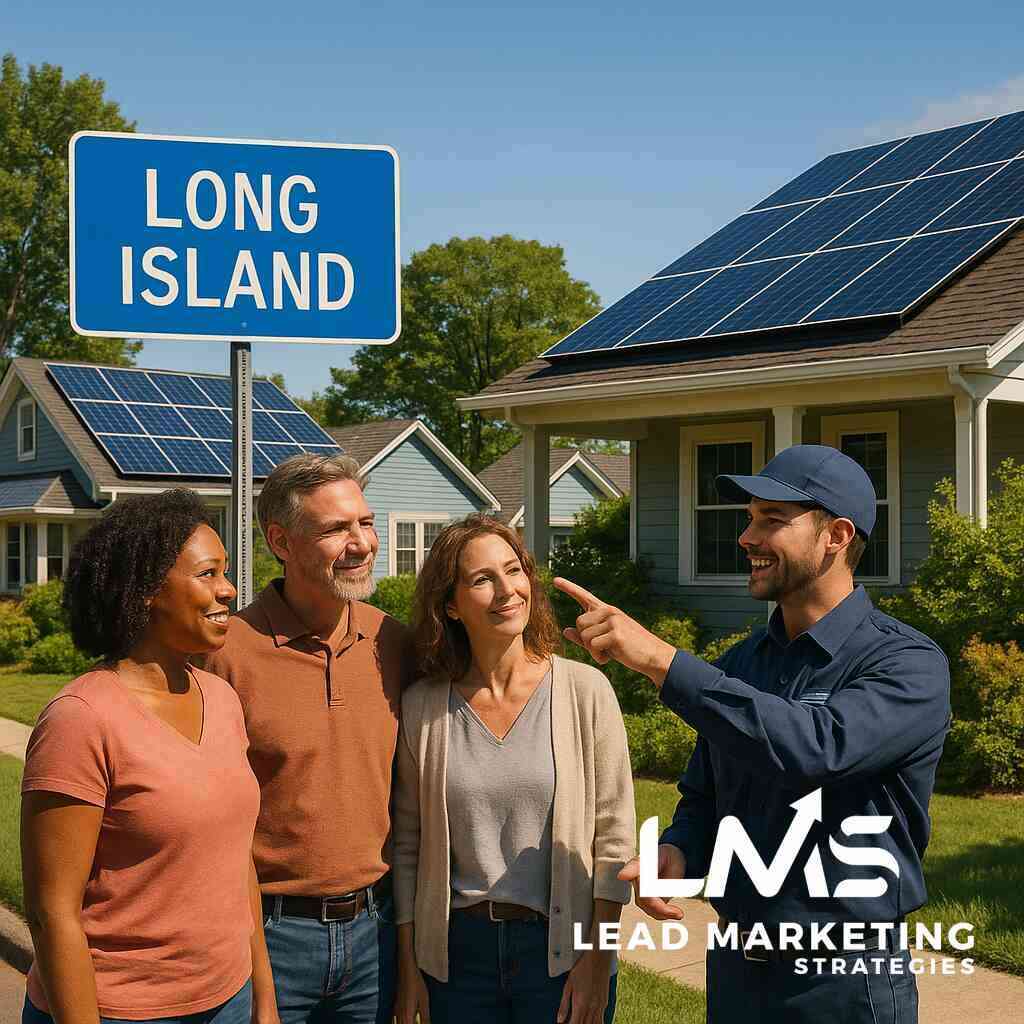
Solar PPC management in 2026 means running paid search around how Long Island actually buys solar: storage-first messaging, utility-aware geotargeting, incentive-synced ad copy, and bidding that chases qualified homeowners instead of raw form fills. It is less about spending more and more about spending on the right searches in the right territories.
We work with solar businesses across Nassau and Suffolk every day, and we have watched the playbook change. Here is what we see working now.
Why Long Island Solar PPC Is Different From Generic Solar PPC
Most national solar PPC advice assumes one utility, one net metering policy, and one kind of homeowner. Long Island breaks all three assumptions.
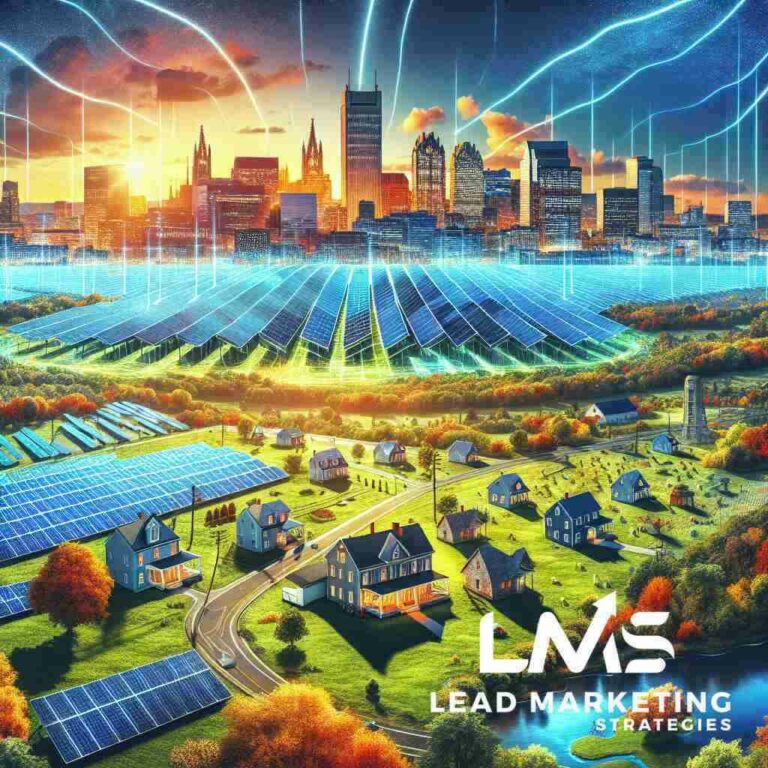
You are advertising in a territory served largely by PSEG Long Island, but also in municipal electric zones like Rockville Centre, Freeport, and Greenport, where rates, interconnection rules, and even the sales conversation are different. A homeowner in one of those villages may hear a very different pitch than a homeowner in Smithtown. Paid search has to reflect that or your ads feel off target from the first line.
Add in historic district zoning boards that make some installs slow or impossible, a dense mix of flat roofs and pitched roofs, and a customer base that is deeply sensitive to electric bills. Generic solar campaigns bleed budget here. Local ones win.
How Should You Structure a Long Island Solar PPC Campaign in 2026?
Build campaigns around territory and solution, not around one broad “solar” bucket. In our experience, the accounts that scale cleanly on Long Island separate PSEG territory from municipal electric zones, separate residential from commercial, and separate solar-plus-storage from solar-only.
Segment by utility territory and county
- Separate campaigns or ad groups for Nassau and Suffolk so you can control budget by market.
- Separate municipal electric zones so your ad copy can speak to their specific rate structure.
- Exclude towns and ZIP codes where historic district review makes installs impractical, unless you have a specific offer for those homeowners.
Lead with storage, not just panels
Bidding purely on “solar panels” in 2026 is leaving money on the table. Homeowners researching whole-home backup, battery storage, and grid resiliency are often further along and less price-sensitive than panel-only shoppers. Campaigns built around solar plus battery backup attract a different, higher-value lead.
Sync ad copy to the current incentive landscape
Your ads should reflect what is actually available: the federal investment tax credit, New York State tax credits, and NY-Sun incentives through NYSERDA. Incentive messaging changes throughout the year as program blocks fill, so your ad copy and landing pages need a review cadence, not a set-and-forget setup.
What PPC Tactics Actually Move the Needle for Long Island Solar in 2026?
The tactics that separate profitable accounts from expensive ones are mostly about feeding Google better signals and cutting waste. Here is where we focus.
Feed first-party CRM data back into Google Ads
Enhanced conversions let you send offline outcomes, like a passed credit check or a qualified roof, back into Google Ads. That trains smart bidding to chase homeowners who actually convert to installs, not just anyone willing to fill out a form. If your CRM is HubSpot or Salesforce, this is one of the highest-leverage changes you can make this year.
Use value-based bidding for battery bundles
Not every lead is worth the same. A whole-home backup inquiry should be worth more to your account than a small budget array inquiry. Setting conversion values by solution type lets Google bid more aggressively where the revenue is.
Build aggressive local negative keyword lists
Long Island search traffic is full of noise. We routinely exclude terms like “PSEG bill pay,” “solar panel removal,” “solar repair,” “solar lease lawsuit,” and “free solar” to protect budget. This is unglamorous work, but it is often the difference between a 4 percent and a 9 percent conversion rate.
Put guardrails on Performance Max
Performance Max can work for solar, but only with strict brand exclusions, tight asset groups, and clean conversion tracking. Without guardrails, PMAX will happily spend your budget on spammy placements and low-intent queries. Treat it as a controlled channel, not a magic button.
Match landing pages to the search
A storage searcher should land on a storage page. A commercial flat-roof searcher should land on a commercial page. Sending every click to a generic homepage is one of the most common reasons solar PPC underperforms. Our team spends real time on improving conversion rates after the click, because the ad is only half the job.
If you want a deeper look at how we benchmark performance, our breakdown of solar PPC benchmarks for better ROI in 2026 is worth your time.
What Questions Are Long Island Homeowners Asking in 2026?
Your ads and landing pages should answer these directly. They are the searches we see driving real intent, and they double as content ideas for your site.
How much does solar plus battery backup cost on Long Island in 2026?
Homeowners want a range before they will talk to anyone. Give a realistic range on your landing page and explain what moves the number: battery size, roof complexity, panel count, and utility interconnection. Vague answers lose the click.
Are NYSERDA solar rebates still available for Suffolk County?
NY-Sun incentives move in blocks and can change. Rather than promising a specific rebate in an ad, point homeowners to current program status and explain how your team handles the paperwork. Honesty here builds trust and reduces junk leads.
Is PSEG Long Island net metering changing this year?
This is one of the most common questions we see, and it is a strong ad angle for storage. Position solar plus battery as a way to keep more value from the power you generate regardless of how net metering evolves.
How long does PSEG solar interconnection approval take?
Timelines vary by project and utility workload. Set expectations clearly on your landing page so homeowners do not feel misled later in the sales process.
What is the best solar company in Nassau County for flat roofs?
Commercial and flat-roof searches are high intent and often high value. Build dedicated campaigns and pages for commercial property owners instead of lumping them into residential.
Why Does Solar PPC Management Beat Generic PPC Agencies?
Because solar is not a generic local service. A generalist agency can set up a Google Ads account, but they usually miss the utility territory split, the storage-first shift, the incentive timing, and the negative keyword list that protects your budget. In our experience, that gap shows up fast in cost per qualified lead.
Specialist management also connects paid search to the rest of your funnel. PPC leads flow into lead generation systems that qualify and route them, and they pair naturally with Facebook ads for retargeting homeowners who did not convert on the first visit. Our comparison of why solar marketing strategies beat generic PPC agencies goes deeper if you want the full picture.
How Do You Measure Solar PPC Performance the Right Way?
Stop measuring clicks and cost per lead alone. Those numbers can look great while your sales team drowns in unqualified inquiries.
Track cost per qualified lead, cost per signed contract, and revenue by campaign. Tie offline outcomes back to the ad platform so bidding improves over time. Review search term reports weekly, not monthly, because Long Island search behavior shifts with weather, utility news, and incentive deadlines. And check your call tracking, since many solar leads still pick up the phone.
If you want a partner who builds this reporting into the engagement from day one, book a free consultation and we will walk through your current account together.
Frequently Asked Questions About Solar PPC Management on Long Island
How much should a Long Island solar company budget for PPC in 2026?
It depends on your territory, your offer, and how fast you want to grow. We typically recommend starting with a budget that supports at least a few hundred clicks per month in your core service area so the account has enough data to optimize. Underfunded accounts rarely perform well because Google never gets enough signal.
Should I run PPC if I already rank organically?
Yes. Paid search captures homeowners who are ready to act now, while organic builds long-term authority. The two reinforce each other, and paid data often reveals which topics deserve content investment. Our content marketing services pair well with PPC for that reason.
How long before solar PPC starts producing leads?
You can see leads in the first few weeks, but smart bidding needs roughly a month or two of clean conversion data to hit its stride. Expect meaningful optimization in the first 60 to 90 days, with stronger results as you feed in CRM outcomes.
Can PPC help with commercial solar projects?
Absolutely. Commercial and flat-roof searches are lower volume but higher value, and they respond well to dedicated campaigns with tailored landing pages. Do not bury them inside your residential account.
Do I need a separate landing page for each campaign?
It helps more than almost anything else. Message match between ad and page lifts conversion rates and quality scores. A storage campaign should land on a storage page, not a generic homepage.
Ready to Grow Your Long Island Solar Pipeline?
If your paid search is stuck on panel-only campaigns and one big Long Island radius, 2026 is the year to fix it. Our team builds solar PPC management around your territory, your utility realities, and the solutions Long Island homeowners are actually searching for. When you are ready, book a free consultation and we will map out what a stronger account looks like for your business. You can also call us directly at (833) 532-3100.
And if you want to keep tabs on your campaigns from anywhere, download our mobile app for iOS or Android.

The Solar Marketing Strategies Team
Our team of marketing experts specializes in helping solar businesses grow their businesses through strategic digital marketing, SEO, and customer acquisition.
View all articles